


Imports from non-EU countries: Beyond technological leadership, the rigor of CE compliance
6 March 2026
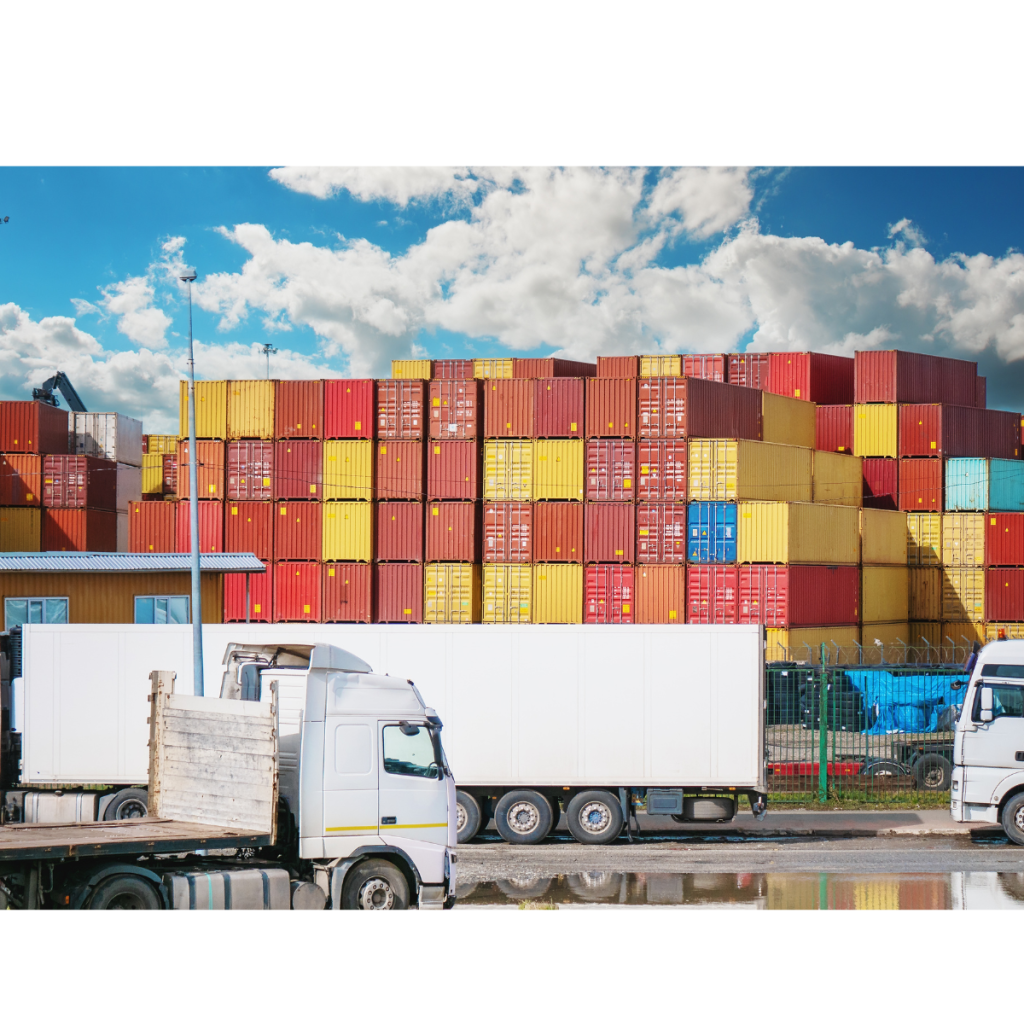
The landscape of non-EU imports, particularly from China, is undergoing an unprecedented transformation. Throughout 2026, the influx of goods from the ‘Land of the Rising Sun’ has reached record peaks. While these products serve to fuel the business of European companies, they also pose significant challenges regarding their compliance with EU regulations. Consequently, they demand heightened vigilance from all industry stakeholders, particularly customs authorities.
COMPLIANCE MANAGEMENT AND CUSTOMS VIGILANCE: REGULATORY AND OPERATIONAL FRAMEWORK
The landscape of EU imports is currently governed by Regulation (EU) 2019/1020, which has intensified customs controls to ensure that only safe and compliant products circulate within the internal market. Through a risk-based approach, surveillance authorities monitor economic operators (manufacturers, importers, distributors, and users), who are required to ensure goods are compliant, including through the availability of technical documentation and an EU Declaration of Conformity that strictly adhere to European regulations.
In the event of documentary irregularities or risks to user health, authorities must suspend the release of goods for free circulation. To facilitate these processes, the Customs Single Window (SUDOCO) has been implemented, aimed at streamlining customs clearance and improving coordination between administrations. In critical situations, solutions such as ECM’s ‘Safe Import Check’ service offer pre-shipment inspections and support to resolve customs hold-ups through third-party verification.
FOCUS ON PENALTIES AND THE CONSEQUENCES OF CUSTOMS HOLD-UPS
The tightening of controls and any potential findings of non-compliance lead to severe repercussions for economic operators, both from a financial and an operational perspective.
- Direct Economic Burdens. Administrative Penalties: These are imposed for product non-compliance with the essential health and safety requirements set out in EU directives. Storage Costs: Prolonged holding of goods at customs warehouses generates significant storage fees that increase proportionally with the duration of the detention.
- Legal Liability: Should the requirements for compliance not be met, the importer, manufacturer, authorized representative, or distributor shall assume full legal and financial responsibility for placing the product on the market, being held directly accountable for any violations of European regulations.
Post-Detention Procedures: Once Customs issues a non-compliance report (also notifying the Ministry of Enterprises and Made in Italy – MIMIT), the company is faced with only three mandatory options:
-
Compliance Remediation: Technical intervention (where feasible) to bring the goods or equipment into regulatory compliance;
-
Return to Sender: Shipping the goods back outside EU borders at the importer’s expense;
-
Destruction of Goods: Permanent disposal of the non-compliant product.
-
- Strategic Impact: Beyond penalties, customs hold-ups cause delays in the distribution chain, damaging corporate reputation and commercial relationships.
THE CRITICAL ROLE OF CUSTOMS IN THE SAFETY CHAIN
Control activities at entry points are not merely a bureaucratic act, but the first and most critical filter for ensuring the safety of those who use these products.
CRITICAL PARAMETERS FOR THE CUSTOMS VERIFICATION OF GOODS
According to the findings of the experts at Ente Certificazione Macchine (ECM), there are two pillars upon which the inspector’s attention must be focused:
- The Authenticity of the Technical File: goods must be accompanied, among other things, by the declaration of conformity, which must be drawn up exclusively by the manufacturer. Often, the presence of the CE logo or a certification issued by third parties does not guarantee the compliance of the documentation or the product itself.
- Manufacturer and Importer Identity: The regulation is clear: anyone placing a product on the EU market assumes the same legal responsibilities as the manufacturer. It is essential to verify that the authorized representative or the importer is clearly identified and traceable.
COLLABORATION BETWEEN CUSTOMS AND VARIOUS ORGANIZATIONS
In the event that Customs identifies anomalies in either the documentation or the product itself, they are required to report the matter to the competent authorities. Should doubts arise regarding compliance—pertaining to both the documentation and the product within European territory—there are Organizations, including Certification Bodies, which, by virtue of their independence, impartiality, and expertise, can provide an authoritative opinion.
Ente Certificazione Macchine (ECM) is able to support all the various parties involved to ensure that the import process guarantees that products made available to the European market fully comply with the current regulations, protecting end-users.