


Battery Safety: From Technical Risk to Compliance Assurance
24 March 2026
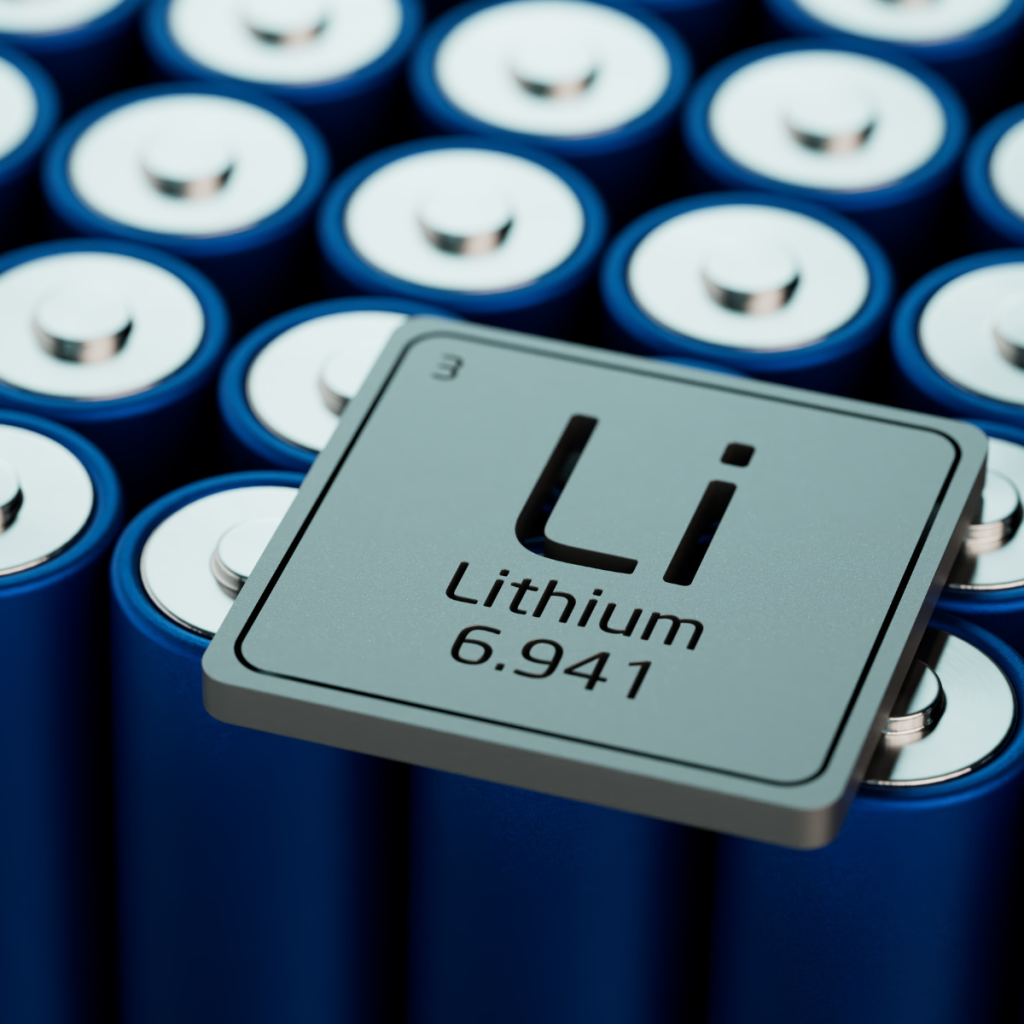
Lithium-ion (Li-ion) batteries are the beating heart of the modern technological revolution: from portable devices and electric vehicles to large-scale energy storage systems. However, their widespread adoption has made safety and regulation a central priority.
THE CHALLANGE OF TECHNICAL SAFETY
Due to their chemical nature, lithium batteries must operate within well-defined parameters. A manufacturing defect, physical damage, or improper handling (such as overcharging or overheating) can trigger a chain reaction leading to an uncontrolled release of energy, smoke, and fire. To mitigate these risks, safety is not an option but a fundamental design requirement, involving sophisticated Battery Management Systems (BMS), flame-retardant materials, and robust designs that isolate individual cells.
SCIENCE AND FUNCTIONALLY: UNDERSTANDING THE REAL RISKS
The core of a lithium battery consists of electrochemical cells where the cathode, anode, and electrolyte interact to store energy. High energy density, while being the greatest strength of this technology, also represents its primary risk factor: the higher the stored energy, the greater the potential danger in the event of defective or non-certified components.
SAFETY BEGINS WITH COMPLIANCE
True safety stems from product certification. It is not a goal that can be improvised, but rather the result of a rigorous verification process.
At ECM, we support companies by performing laboratory testing, technical assessments, and compliance verifications according to the most stringent European standards. Our goal is to ensure that every lithium-powered device placed on the market meets the highest levels of protection for the end user.