


Li-ion Batteries: Safety, Data and Global Certification
11 May 2026
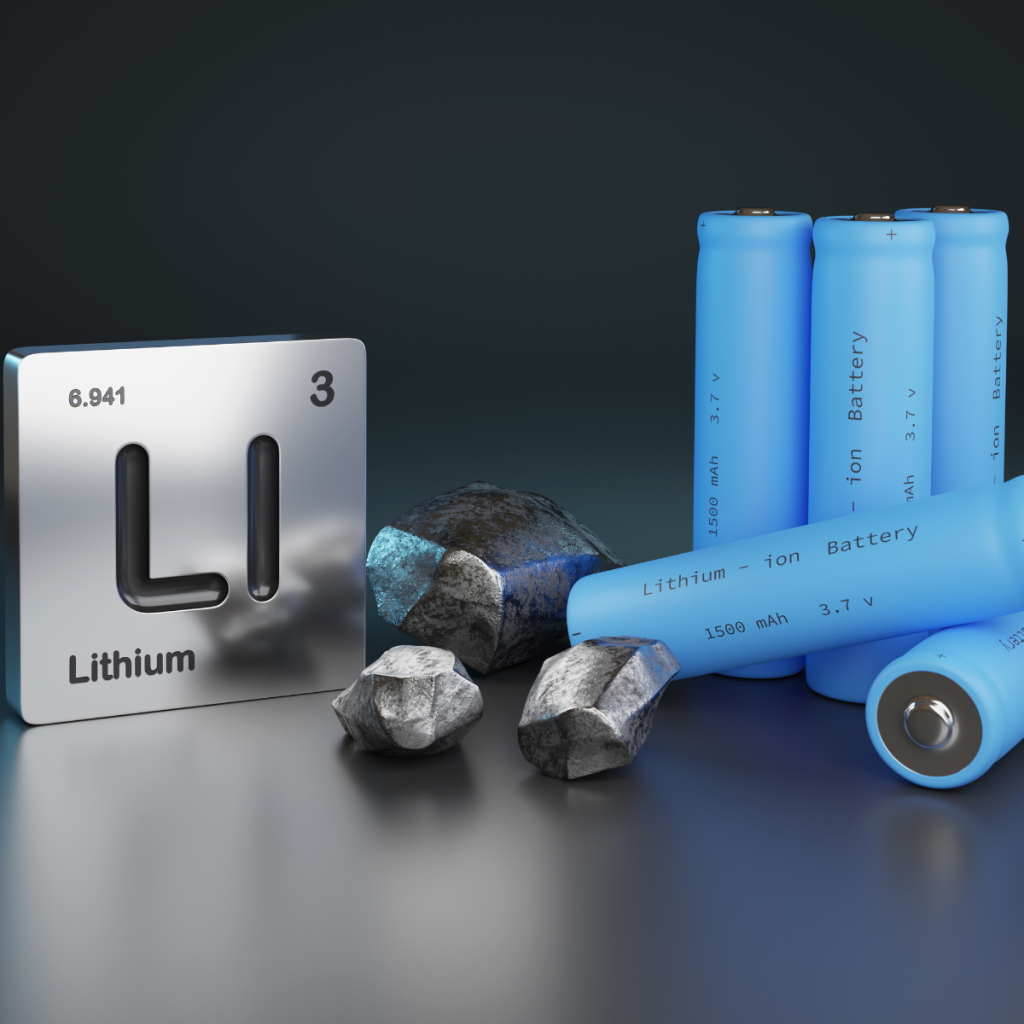
Lithium-ion (Li-ion) batteries represent the beating heart of the global energy revolution. They power electric mobility, portable devices, and storage systems, yet their widespread adoption raises urgent questions about safety. The risk of thermal runaway makes regulation and certification not only a legal obligation but a key competitive factor for the entire supply chain.
THE SAFETY EMERGENCY: 2025 DATA
The need for rigorous controls is confirmed by the data. According to research by QBE, the United Kingdom recorded 1,760 fires linked to Li-ion batteries in 2025, a 21.9% increase compared to the previous year. Analyzing the three-year period starting from 2022, the increase reaches an alarming 147%. These fires primarily involved e-bikes (520 cases, +39.4%), electric cars (279 cases, +34.8%), and e-scooters. These figures demand a profound reflection on the quality of the components brought to market.
MONITORING AND GLOBAL PRESENCE: THE ROLE OF ECM
The majority of global battery production is concentrated in China. In this context, ECM operates with a unique strategic advantage thanks to its branch, Ente Cerma Certification Shanghai. Having a direct presence in China allows us to monitor production processes in real time and verify that partners comply with both local standards (GB/T) and rigorous international protocols (UN 38.3, UL, IEC), as well as the new EU Regulation.
CERTIFYING TO COMPETE
Transforming geographical distance into a strength is essential. Ensuring preventive compliance before products leave Asia guarantees that imported batteries are safe and sustainable. In a market that admits no compromises, certification becomes the fundamental shield for protecting consumers and ensuring the stability of the tech business.