


Occupational health and safety: the tragedy in Trentola Ducenta reignites the urgency of forklift safety
18 June 2026
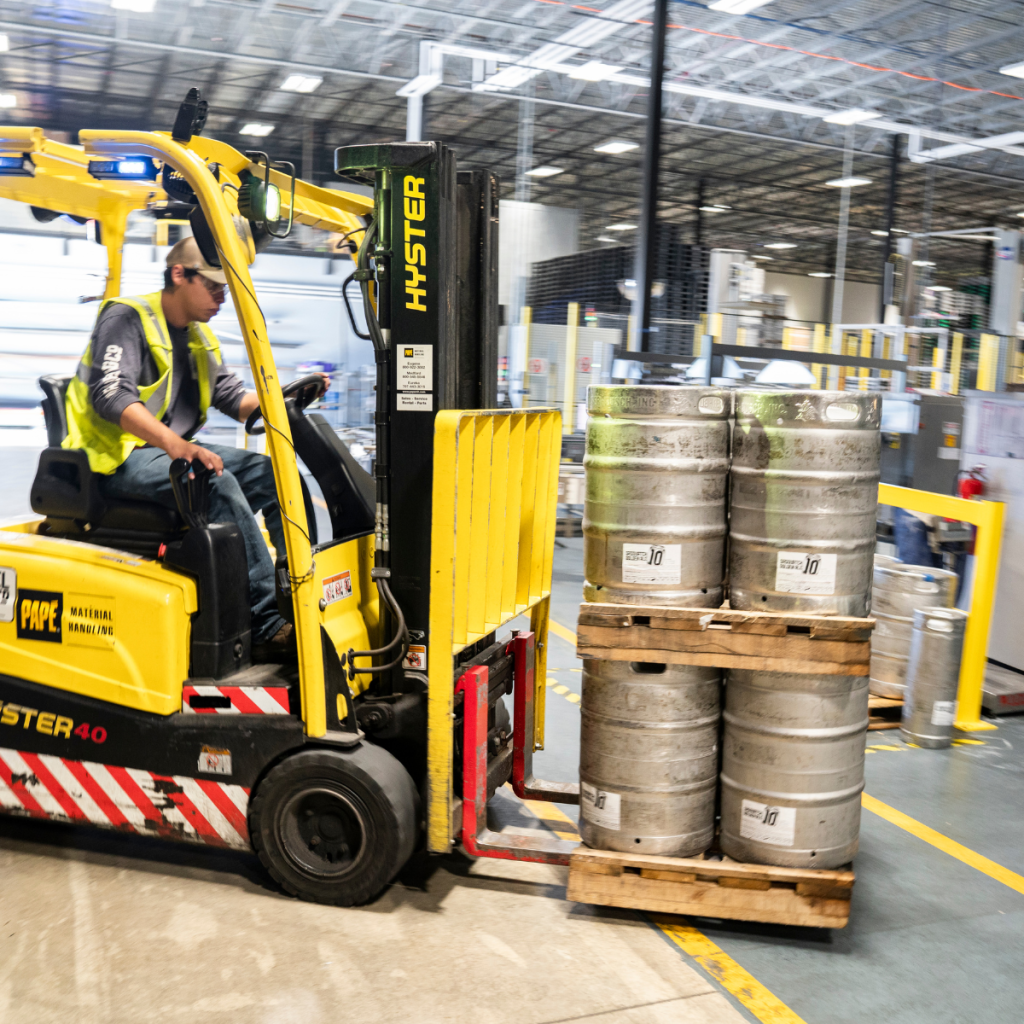
The toll of workplace fatalities in Italy shows no signs of abating, bringing the issue of safety and technological prevention back to the fore with dramatic regularity. The latest tragic incident recorded in Trentola Ducenta (Caserta), where 23-year-old worker Francesco Dergano lost his life, underscores once again that the risks associated with the maintenance, handling, and operation of industrial machinery are an absolute priority that must be addressed.
According to initial reconstructions of the accident, the worker—an employee of a specialized company—was fatally crushed by a forklift while technical assistance and maintenance operations were underway on the vehicle. Despite being promptly airliftled by helicopter to the Cardarelli Hospital in Naples and the subsequent efforts of medical staff, nothing could be done to save the young man. The judiciary and relevant authorities are already at work conducting the necessary investigations, seizing the area, and establishing the exact dynamics of the incident.
THE DEATH TOLL AND THE RISKS OF MAINTENANCE
Unfortunately, the accident in Trentola Ducenta is not an isolated incident, but part of an extremely critical situation at both national and local levels.
This kind of dynamic confirms just how high the critical risk levels are in the forklift sector.
ECM TECHNICAL SUPPORT
Against this backdrop of increased risk, Ente Certificazione Macchine (ECM) stands as a qualified partner to support companies in achieving and maintaining machinery compliance. The goal is clear: to actively contribute to risk reduction and to safeguarding workers’ lives.
The prevention of mechanical and technological accidents involves targeted areas of intervention:
Machinery certification: Verification of compliance with national and European standards.
Testing and practical trials: Instrumental analyses to test the actual reliability of safety systems.
Inspections and maintenance: Periodic checks to prevent sudden failures or operational anomalies.