


Heavy Load Management: Why Big Bag Testing Is Essential for Companies
28 September 2026
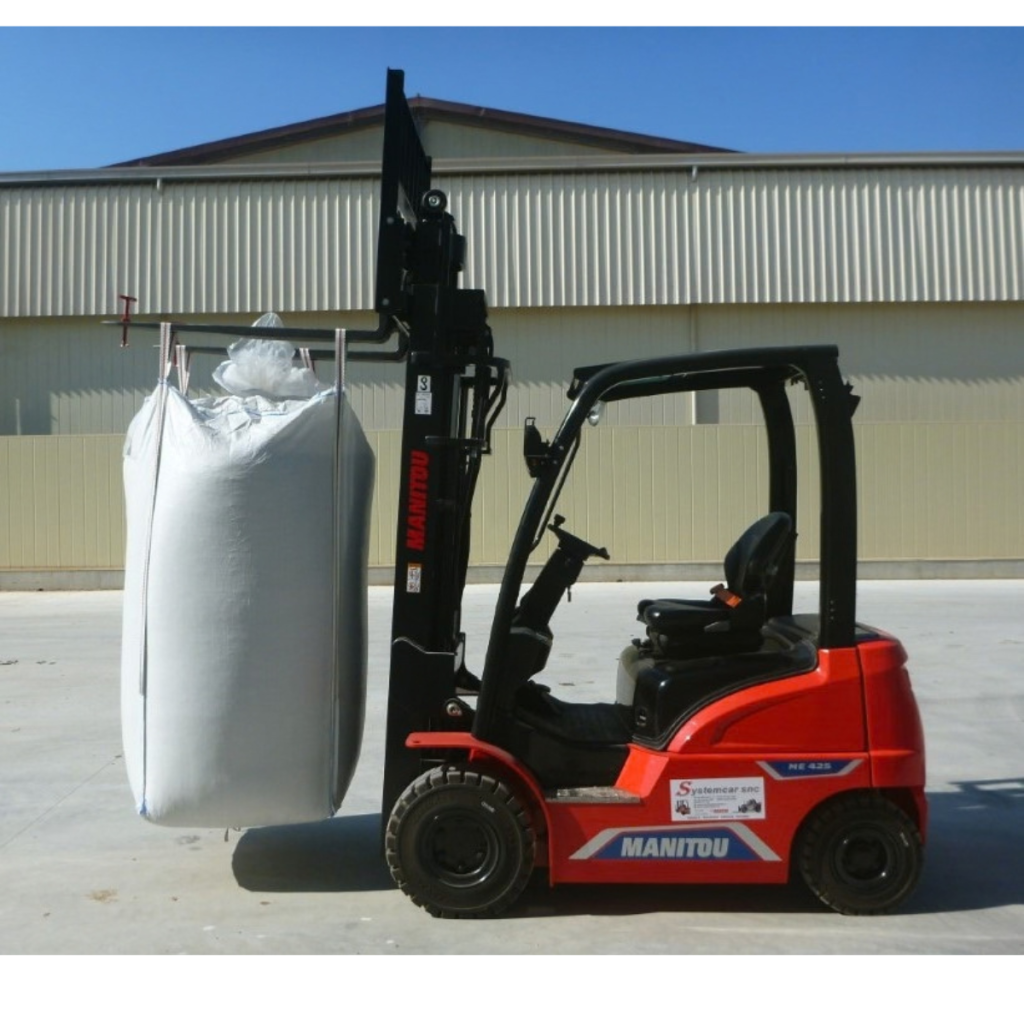
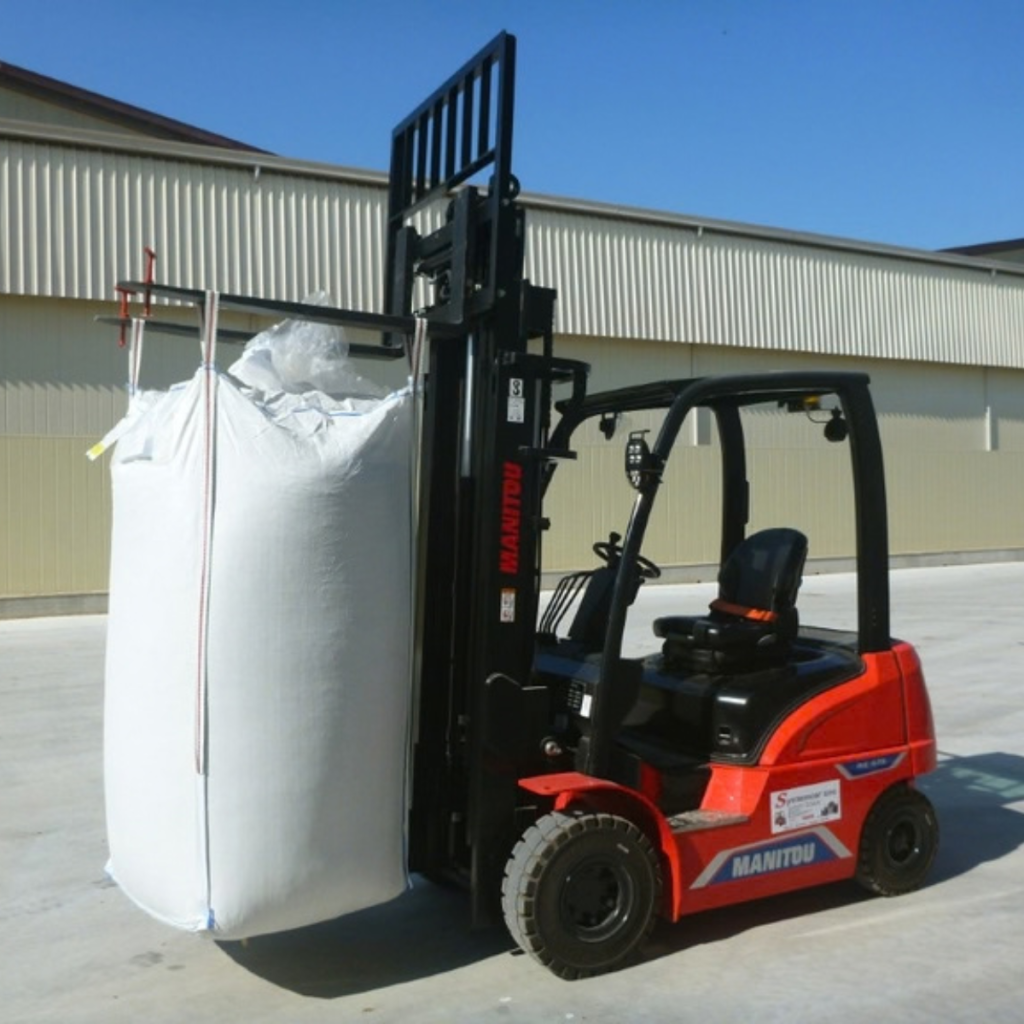
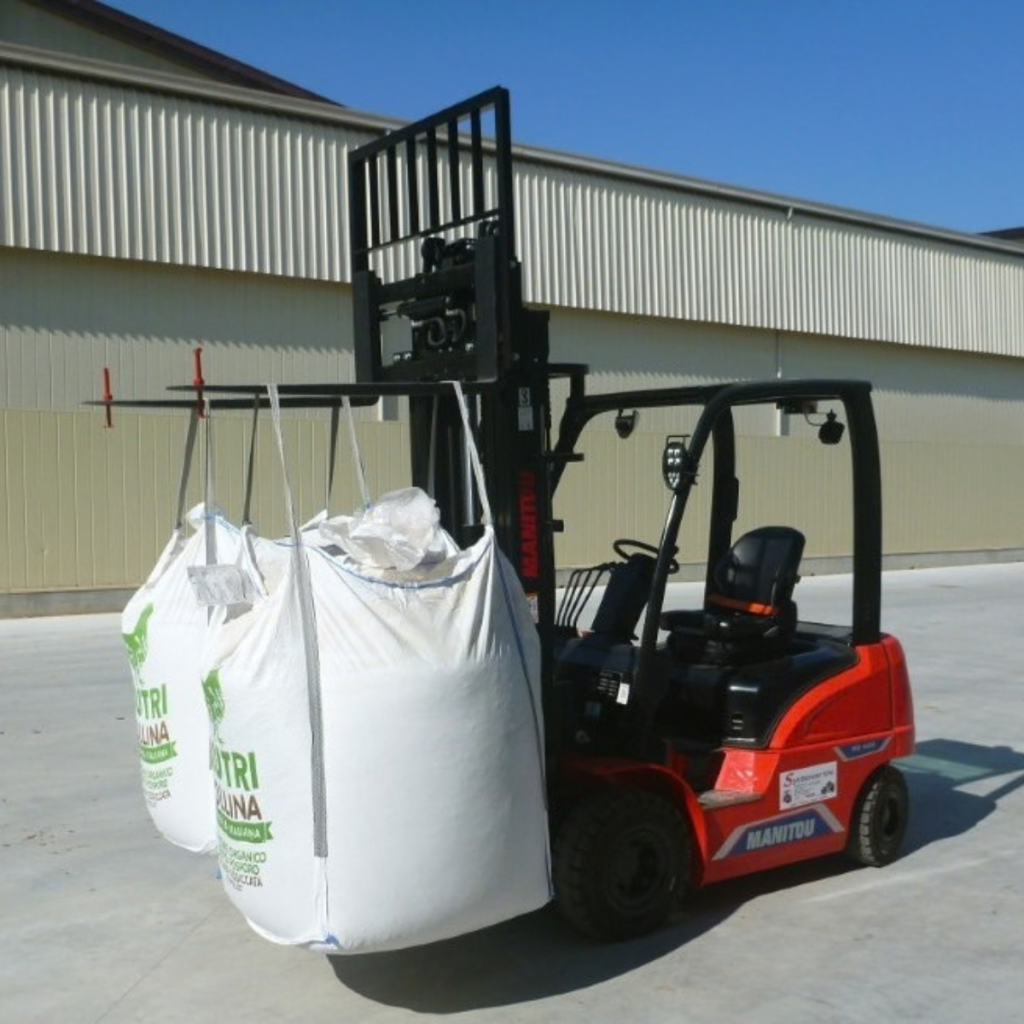
Handling suspended loads and using flexible containers represent one of the most critical operational challenges in logistics and industrial manufacturing. Ensuring the structural integrity of Big Bags (FIBCs) and the stability of forklifts is not only a regulatory requirement, but a fundamental prerequisite for preventing workplace injuries.
In this article, we will examine the tests required to certify the compliance of this equipment in accordance with the latest international standards.
Big Bags, or Flexible Intermediate Bulk Containers (FIBCs), must be designed to withstand extreme stress. The reference standard at both European and international levels is UNI EN ISO 21898.
KEY TESTS:
- Cyclic Load Test: The Big Bag is subjected to repeated lifting cycles to simulate intensive warehouse use.
- Ultimate Load Test (Safety Factor): This test determines the Big Bag’s breaking point. For single-use models, the standard safety factor is 5:1 (the bag must hold 5 times its safe working load without breaking), while for reusable ones it reaches 6:1 or higher.
- UV Resistance Test: Since polypropylene can degrade when exposed to sunlight, tests are conducted to verify that the material maintains its mechanical properties even after prolonged exposure.
THE IMPORTANCE OF DOCUMENTATION
Every test session must conclude with the issuance of a Test Report or a Certificate of Conformity. For forklifts, compliance with FEM 4.004 guidelines is also mandatory, requiring thorough annual inspections conducted by qualified personnel.
Non-compliance not only exposes the company to severe administrative and criminal penalties (as provided for by Legislative Decree 81/08), but also drastically increases the risk of material spills, infrastructure damage, and, in the worst-case scenario, fatal accidents.
ECM: YOUR TRUSTED TECHNICAL PARTNER
The reliability of a logistics system depends on the quality of its weakest components. Subjecting Big Bags and forklifts to rigorous testing means investing in operational continuity and worker safety.
Interested in verifying the compliance of your lifting equipment? Contact our experts for technical consulting or to schedule a testing session at our laboratories.