


Batteries and EU Regulation 2023/1542: How to Prepare for the Digital Passport with ECM
12 October 2026
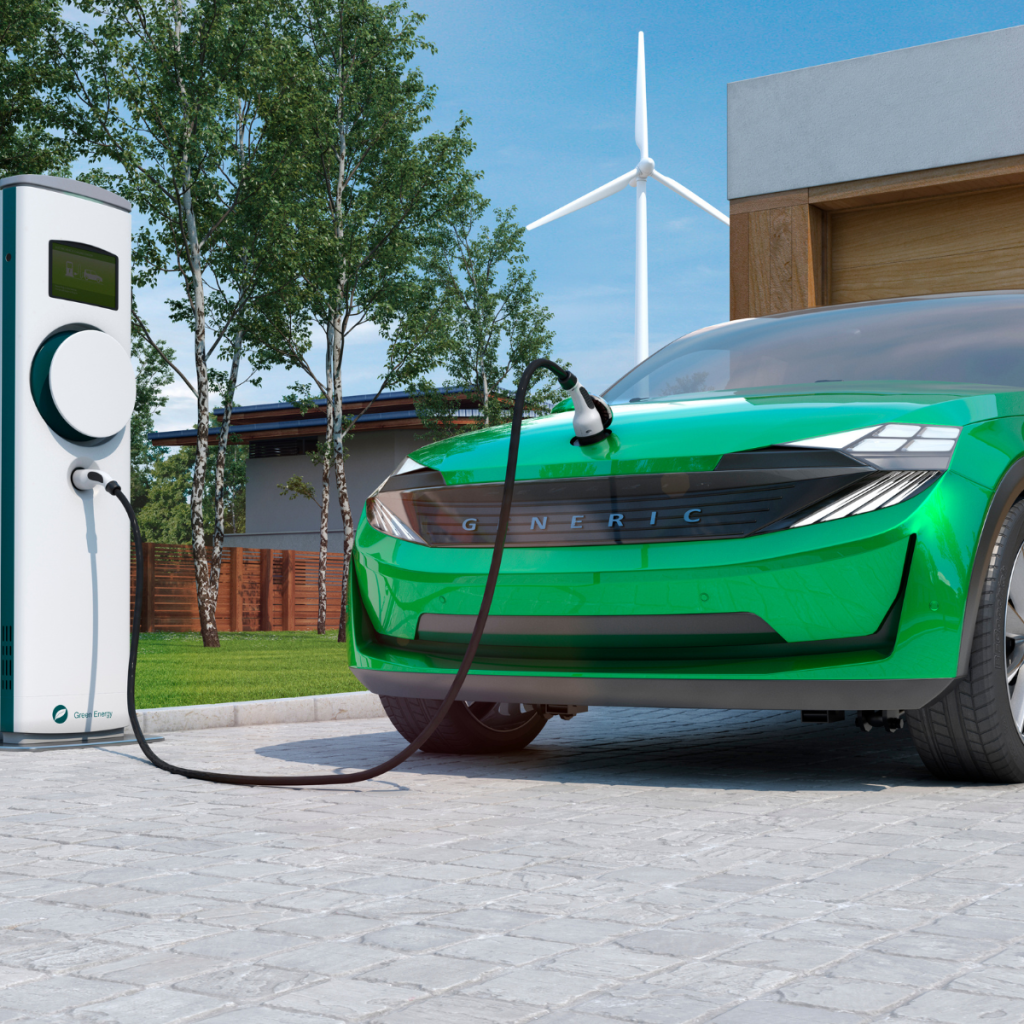
The transition to electric mobility and renewable energy storage demands increasingly stringent sustainability standards. Within this framework comes the Battery Passport, a digital record that will become mandatory in the European Union starting February 2027 for electric vehicle (EV) batteries, light means of transport (LMT) batteries, and industrial batteries with a capacity above 2 kWh.
In line with EU Regulation 2023/1542 and the DIN DKE SPEC 99100 technical specifications, this tool acts as a Digital Product Passport (DPP). Its purpose is to securely, transparently, and immutably store crucial data across the device’s entire lifecycle: from raw material origin and carbon footprint to dynamic data on State of Health (SoH) and State of Charge (SoC).
ECM: YOUR QUALIFIED TECHNICAL PARTNER
Leading certification bodies such as ECM are already providing integrated digital solutions to help companies meet this upcoming deadline. Through scalable cloud platforms and secure APIs, manufacturers can centralize static and dynamic data, ensuring role-based, controlled access for authorities, recyclers, and end consumers (via QR code).
The benefits are systemic: manufacturers reduce compliance risks, fleet managers optimize residual value for used assets, and recyclers obtain precise data to recover critical raw materials like lithium, cobalt, and nickel. The passport is therefore not merely a bureaucratic requirement, but the core infrastructure for a truly circular economy.
THE VALUE OF CERTIFICATION
Independent certification is an essential tool for mitigating risks across the supply chain and building trust in the final product. For automotive manufacturers and battery makers, it means having a partner capable of supporting them every step of the way—from interpreting regulatory requirements to testing, auditing, and conformity assessment.
ARE YOU EVALUATING THE IMPACT OF THE EU BATTERY REGULATION ON YOUR PRODUCTS OR PROCESSES?
ECM experts support automotive manufacturers, battery producers, and supply chain suppliers with testing, auditing, conformity assessment, and CE marking activities required by Regulation (EU) 2023/1542.