


The Global Economic Context and the Impact of Trade Barriers
12 December 2025
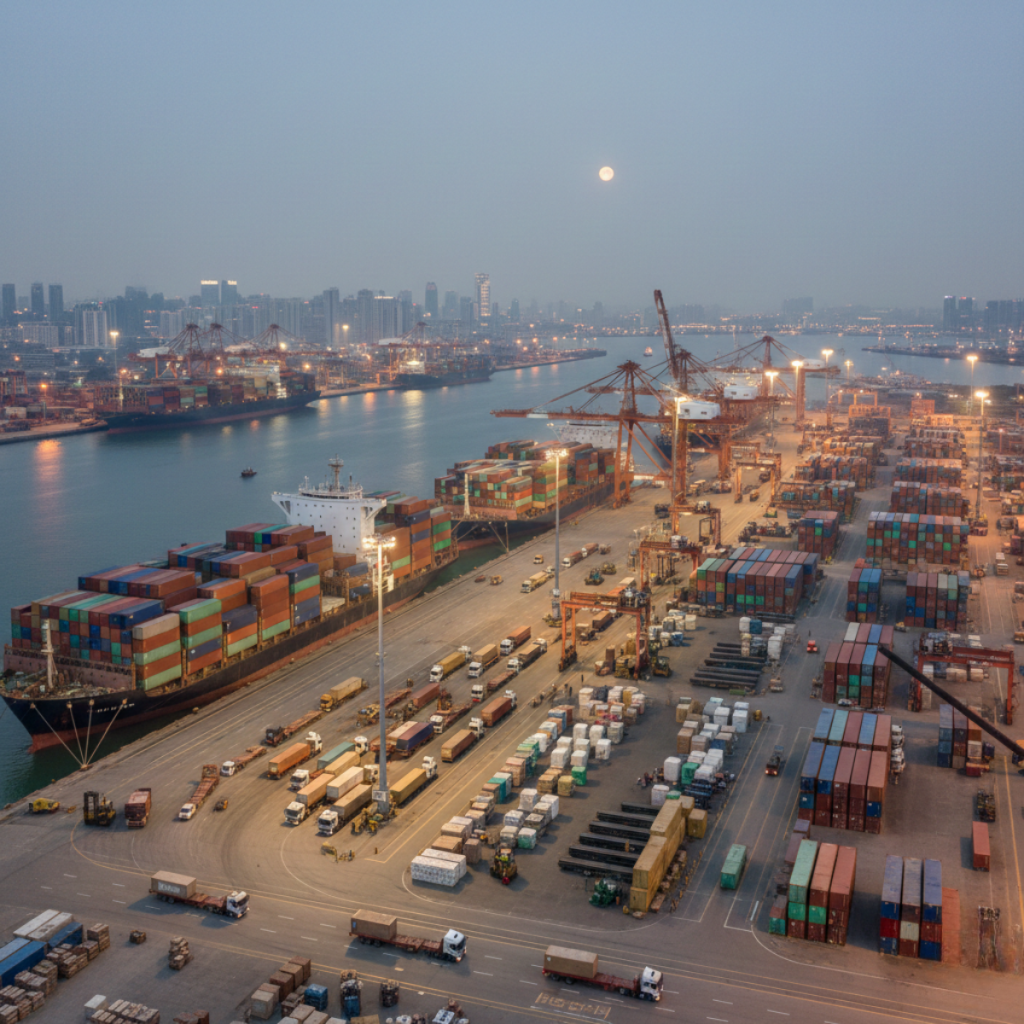
Recent OECD projections indicate global Gross Domestic Product (GDP) growth of 2.9% in 2026 and 3.1% in 2027. This outlook, while positive, is heavily conditioned by a widespread increase in customs duties. Rising trade barriers are significantly slowing global trade and are beginning to impact business costs and consumer prices, particularly in the United States. The OECD warns that further escalation of protectionism, especially on critical production factors, risks seriously damaging global supply chains and production. In this environment of heightened uncertainty, managing trade flows and international regulatory compliance become key challenges for businesses aiming to maintain their competitiveness and operate safely.
THE GROWTH DYNAMICS OF THE G20 GIANTS
The OECD analysis highlights differentiated growth dynamics in the major emerging economies:
- India: It remains the most powerful growth engine, with GDP expected to reach 6.7% (2025-2026), supported by private consumption and robust public investment. Despite this momentum, US bilateral tariffs of 50% on key sectors such as textiles and chemicals represent a significant drag on exports.
- China: It expects a controlled slowdown (from 5% to 4.3% in 2027). The country is stimulating consumption to offset the contraction in the real estate sector and is addressing excess manufacturing capacity. Its exports, although impacted by US tariffs, are rapidly diversifying towards other markets.
- Indonesia and Turkey: Both are showing resilience driven by domestic demand, with stable growth (around 5% for Indonesia and 3-4% for Turkey). The direct impact of US tariffs (19% and 15%) is considered manageable, but contributes to overall trade tensions.
- Brazil: Growth is expected to decline in 2026 (to 1.7%), hampered by high interest rates and political uncertainty. Despite the high level of effective tariffs imposed by the United States (over 30%), the country has so far mitigated the effects thanks to abundant harvests and the diversification of export markets.
ECM, YOUR STRATEGIC PARTNER
Rising tariffs and regulatory complexity in emerging markets like India and China amplify the risk of customs delays and, above all, regulatory non-compliance of products imported into the European Union. To manage these risks, relying on an expert certification body like Ente Certificazione Macchine (ECM) is essential.
ECM is positioned as the ideal partner for worry-free imports, offering a comprehensive service that covers all crucial phases of the process. Our mission is to support companies in operating in compliance, minimizing risks and optimizing time.
COMPLETE SERVICES AND GUARANTEED QUALITY
Thanks to a specialized team, ECM provides targeted and highly qualified support. Our activities are designed to ensure that products comply with EU regulations before they even reach customs:
- Pre-Shipment Inspections: Direct checks at the manufacturer or shipping agent’s premises to verify quality and initial compliance
- Thorough Document Review: Meticulous analysis of the technical and regulatory documentation required for import.
- Product Conformity Checks: Conducting tests to ensure full compliance with applicable European regulations.
- Customs Assistance: Qualified support during customs clearance for the rapid resolution of any issues.
Our laboratory is equipped with modern equipment and qualified technical personnel, capable of performing tests with the utmost precision. The results are documented, traceable, and usable for product certification, offering concrete support to manufacturers, authorities, and importers.
WHY CHOOSING ECM
Choosing ECM means preventing problems and avoiding additional costs related to non-compliance, fines, or delays. Working with us means ensuring a smooth and secure process, thanks to our many years of experience in the sector. Our goal is to enable companies to import safely, optimizing customs clearance times and minimizing exposure to regulatory risks.
With ECM, you can count on a reliable partner for a smooth and hassle-free process.