


From Single Units to Assemblies: Regulatory Obligations for Industrial CE Marking
10 April 2026
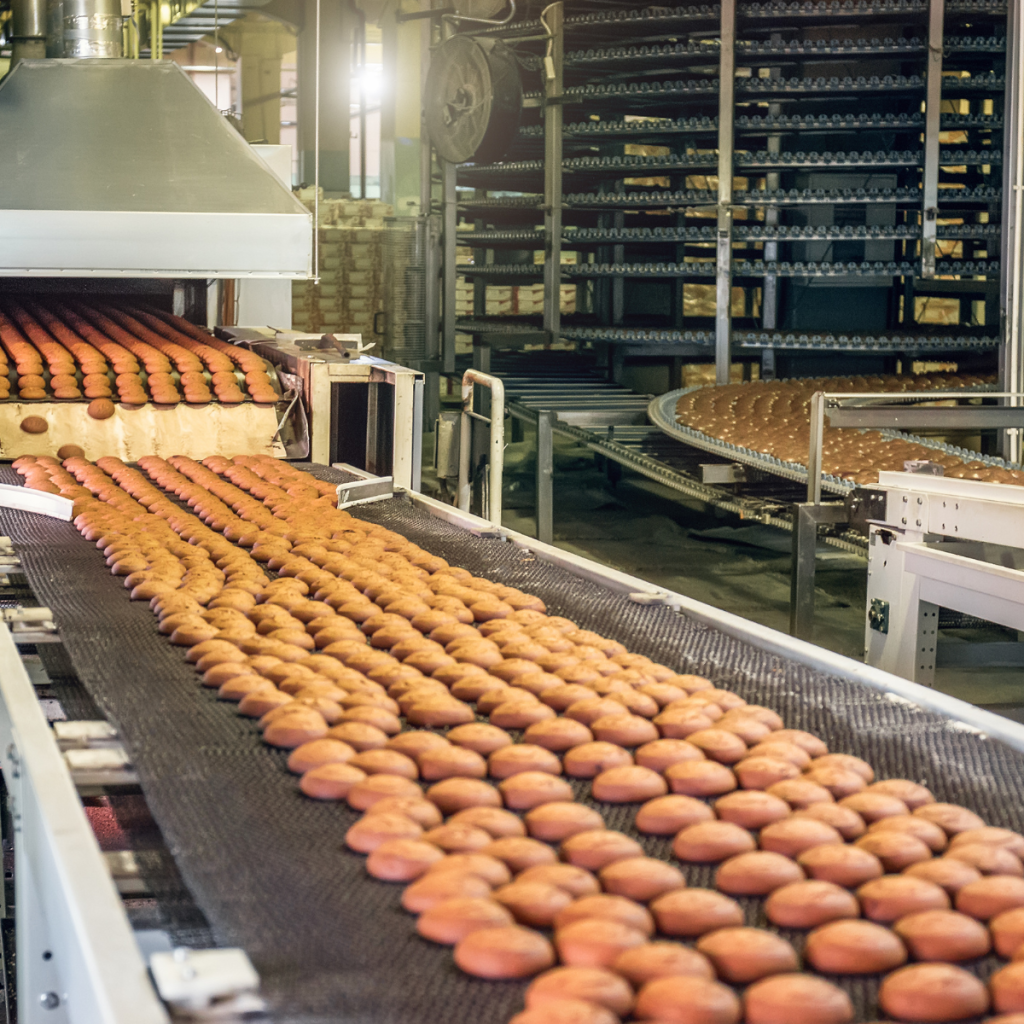
A recurring error in the industrial landscape is the belief that purchasing individually certified machinery exempts a company from further compliance. However, when multiple CE-marked units are connected to operate in a coordinated manner, the regulations are clear: we are facing an “Assembly of machines.” In this scenario, safety is no longer the simple sum of its parts, but the result of a complex integration that requires a new global certification.
THE LEGAL DEFINITION OF “ASSEMBLY”
For a production line to be considered an ‘assembly,’ three elements must coexist: a production connection, operational linking, and a common control system (e.g., a coordinating PLC). When these conditions are met, the entire line is treated as a single machine—whether for existing lines or those being made available to workers. Individual certificates for component units are no longer sufficient; an integrated overview is required, which only an expert can guarantee.
INTERFACE RISK ANALYSIS
The critical juncture lies at the interfaces. An in-depth analysis must evaluate what occurs at the connection points: does an emergency stop on Machine A also bring Machine B to a safe state? The certification of the assembly serves to neutralize risks arising from the integration, verifying the compatibility of control systems and the coordinated management of safety functions.
RESPONSABILITIES AND DUTIES OF THE MANUFACTURER
Anyone who assembles the line legally assumes the role of Manufacturer of the Assembly. This entails the obligation to compile a new Technical File, issue a comprehensive EU Declaration of Conformity, and affix a new CE plate to the entire plant.
In order to draw up the Declaration of Conformity, it is necessary to comply with the requirements set out in Annex II of the Machinery Directive (2006/42/EC).
In particular, the document must include:
- The Manufacturer;
- The person authorised to compile the technical file within the EU;
- The signatory of the Declaration of Conformity.
The signatory of the Declaration of Conformity assumes the burden and responsibility of ensuring the machine’s compliance with safety requirements for as long as the machinery remains on the EU market.
THE STRATEGIC SUPPORT OF ECM
It is therefore essential to rely on a Notified Body such as ECM, which guides the company through the bureaucratic process by drafting rigorous reports. This ensures that the person signing the Declaration of Conformity can do so with the full support of a team of subject-matter experts.