


Breakthrough in China: new EV battery fire prevention rules kick in from July 1st
1 July 2026
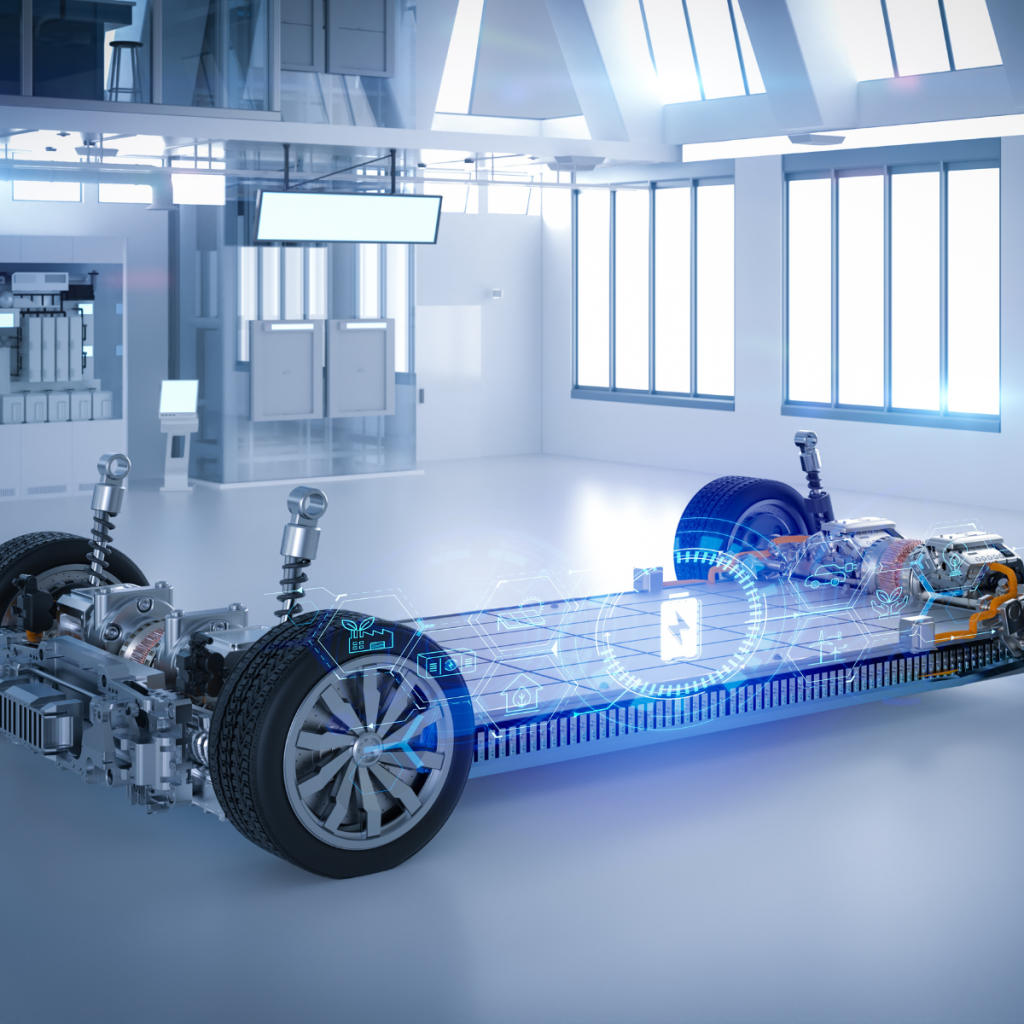
The global electric vehicle market is facing a major regulatory turning point. Starting July 1st, strict new national safety regulations for New Energy Vehicles (NEVs) come into force in China. With nearly 44 million electric and plug-in hybrid cars on the country’s roads at the end of 2025, and a sales pace that hit 1.5 million units in the month of May alone, Beijing’s decisions are bound to set the course and influence the entire global automotive industry.
The main innovation of this regulatory update marks a clear paradigm shift: the focus shifts drastically from emergency management to absolute prevention.
FROM SIMPLE ALARM TO THE ‘NO FIRE’ PRINCIPLE
Until now, standards required onboard systems to promptly warn the driver before a fire or explosion could erupt due to thermal runaway (the thermal instability that can affect battery cells).
Under the new rules, the criteria become radically more stringent. In addition to maintaining warning systems, manufacturers must demonstrate that the battery pack is designed to prevent the very onset of flames or explosions, even if an internal thermal anomaly occurs. Furthermore, any fumes generated by a malfunction must be managed to ensure they do not penetrate the cabin or, in any case, do not harm passengers, guaranteeing the necessary time to reach safety.
IMPACT TESTING AND FAST-CHARGING STRESS TESTS
The new regulations also introduce highly stringent dynamic and aging tests, designed to protect the vehicle throughout its entire life cycle:
- Fast-charging stress: The battery must undergo an external short-circuit test after completing 300 fast-charging cycles. Even after this intensive use, the component must not give rise to flames or explosions. This is a crucial measure to ensure vehicle stability over the years, also protecting the used-car market.
- Underbody impact testing: A specific impact test on the bottom of the vehicle is introduced. The objective is to verify the battery pack’s resistance against debris, speed bumps, or obstacles on the road that could damage the lower structure.
“ANALOG” SAFETY: THE PHYSICAL EMERGENCY BUTTON ARRIVES
Another significant innovation concerns rescue management in the event of an accident. The regulations mandate the installation of a physical high-voltage disconnection system.
Instead of relying exclusively on procedures managed by the onboard software (which could freeze or become inaccessible after a severe impact), occupants or emergency responders will have a single manual control at their disposal to instantly isolate the battery from the rest of the electrical circuit, reducing the risk of electrical shock to zero during rescue operations.
WHAT WILL BE THE IMPACT ON EUROPE?
Although statistics show that the percentage of fires in electric cars is generally lower than in gasoline or diesel models, the issue of thermal safety remains at the center of the European public debate. Since a large share of the cells and batteries integrated into electric cars sold in the EU originates precisely from the Chinese supply chain, it is highly likely that these heightened safety standards will quickly and indirectly reflect on the price lists and models destined for our market.