


CE marking rules for industrial plants
30 June 2026
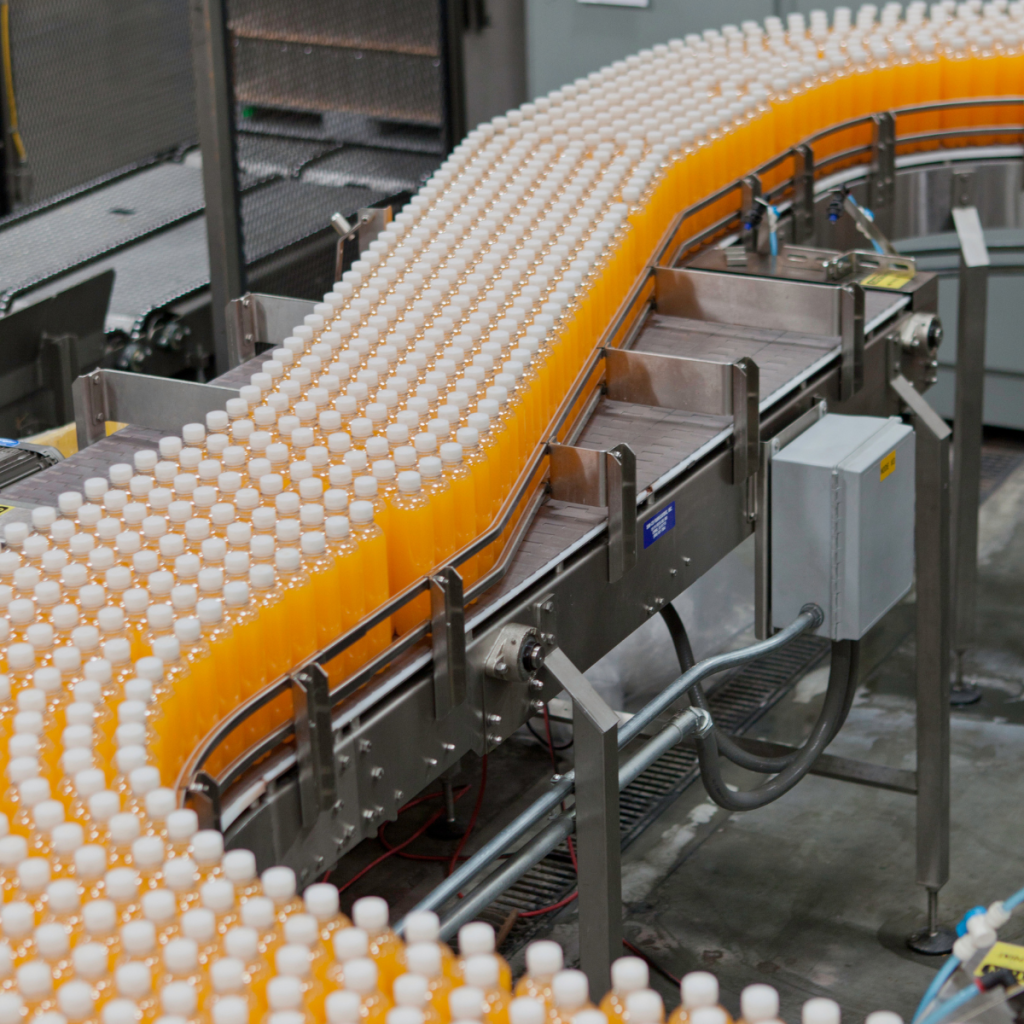
A very common mistake in the industrial sector is to assume that purchasing machinery with individual certificates exempts the company from further bureaucratic and safety compliance. In reality, the moment several devices that are already CE marked are interconnected to operate in a coordinated manner, the legislation changes perspective and defines this configuration as an ‘assembly of machinery’. In this context, overall safety is not simply the sum of individual certifications, but requires a comprehensive assessment and a new declaration of conformity.
WHEN DOES A PRODUCTION LINE QUALIFY AS AN ‘ASSEMBLY OF MACHINERY’?
To fall under this regulatory definition, three fundamental factors must coexist: a production-based link, operational continuity, and a centralized control system (such as a coordinating PLC). If these conditions are met, the entire plant is treated as a single, large machine. This applies both to newly installed production lines and to already operational ones made available to workers. Consequently, the old certificates of the individual units are no longer sufficient to guarantee legal compliance.
WHY INTERFACE RISKS PLAY A CRITICAL ROLE
The real safety challenge is concentrated at the junction and interaction points between the various machines (the so-called interfaces). A proper risk assessment must precisely establish what happens during operation: for example, whether activating an emergency stop on machine ‘A’ instantaneously and safely halts machine ‘B’ as well. Certifying the assembly means precisely mapping and eliminating the hazards arising from the combination of the different elements, ensuring that the control systems communicate correctly.
RESPONSABILITIES AND OBLIGATIONS OF THE MANUFACTURER
Whoever assembles the line legally assumes the role of Manufacturer of the Assembly. This entails the obligation to draw up a new Technical File, issue an overall EU Declaration of Conformity, and affix a new CE plate to the entire plant.
To draw up the Declaration of Conformity, it is necessary to comply with the requirements contained in Annex II of the Machinery Directive (2006/42/EC).
In particular, the document must include:
- The Manufacturer;
- The person authorized to compile the technical file within the EU;
- The signatory of the Declaration of Conformity.
The signatory of the Declaration of Conformity assumes the burden and liability for ensuring the machine’s compliance with safety requirements for as long as the machine is on the EU market.
THE STRATEGIC SUPPORT OF ECM
It is therefore essential to rely on a Notified Body such as ECM, which guides the company through the bureaucratic process by drafting rigorous reports. This ensures that the person signing the Declaration of Conformity can do so with the full support of a team of subject-matter experts.