


India: The New Global Frontier Between Technological Sovereignty and Trade Shift with the EU
3 February 2026
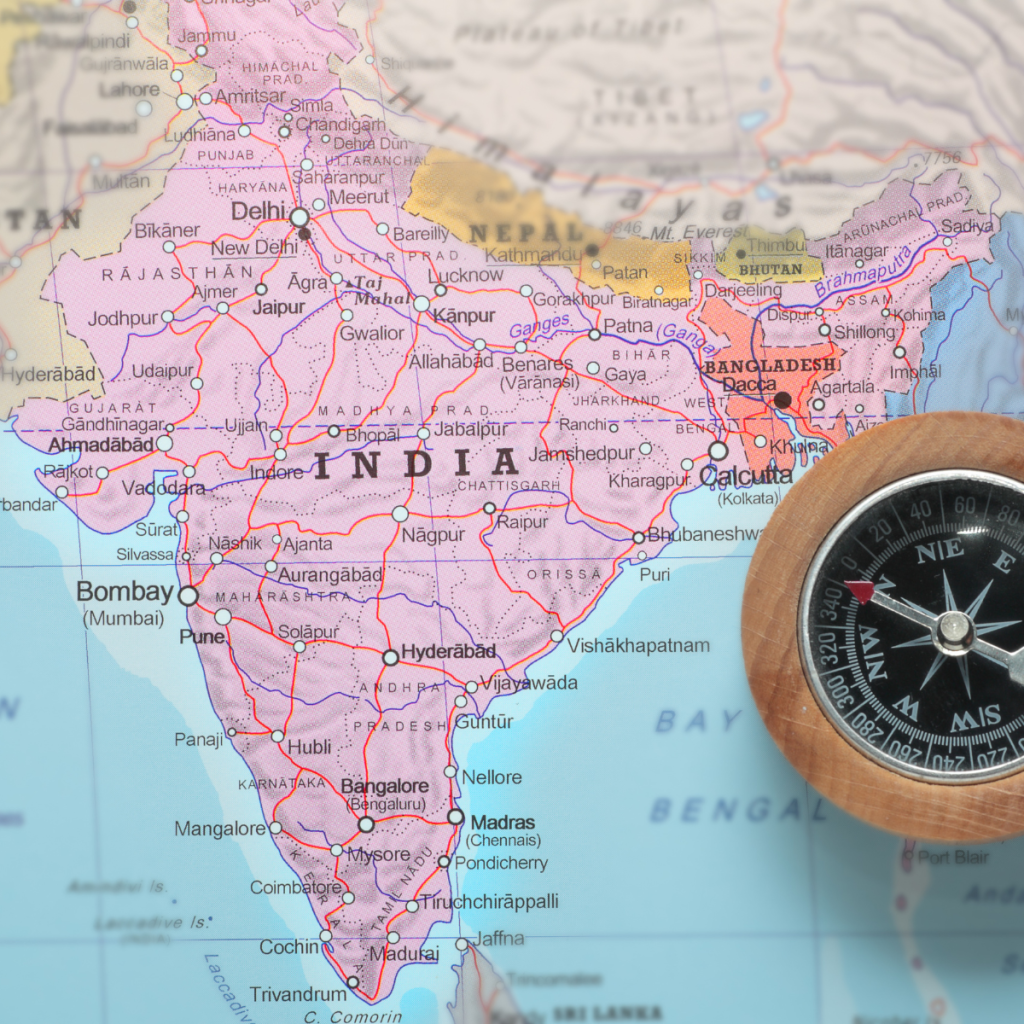
India is positioning itself as a new center of gravity for the global economy thanks to a strategy that combines targeted public spending and a historic openness to trade with the West. The recent budget law presented by the New Delhi government and the revolutionary free trade agreement with the European Union outline an ambitious plan to transform the country into a leading manufacturing and technology hub.
STRATEGIC INVESTMENTS: SEMICONDUCTORS AND DEFENSE
The Indian budget focuses strongly on technological sovereignty and national security. Major investments have been allocated to advanced manufacturing, particularly in the semiconductor sector, with the aim of reducing dependence on imports and integrating India into global value chains. At the same time, strengthening defense remains a priority, supported by incentives for local production of military equipment, confirming the country’s desire to play a leading geopolitical role.
BARRIERS BROKEN DOWN: THE HISTORIC AGREEMENT WITH EUROPE
This industrial vision is complemented by the trade agreement with the EU, described as “the mother of all agreements.” The agreement will lead to an estimated €4 billion reduction in tariffs, affecting 96.6% of European goods. Key sectors such as automotive, agri-food, and chemicals will benefit from a drastic reduction in tariff barriers. Iconic products such as olive oil will see tariffs eliminated, opening up a market of nearly 1.4 billion people to European companies.
GEOPOLITICS OF THE ECONOMY: AN AXIS FOR THE FUTURE
These moves mark a turning point: on the one hand, India is modernizing internally with infrastructure and technology, while on the other, it is forging unbreakable ties with European markets with a view to strategic diversification. For Europe, India represents a crucial alternative to China; for New Delhi, easier access to the European single market is the definitive driver for consolidating its economic rise over the next decade.
CONCRETE OPPORTUNITIES FOR IMPORT
Thanks to the reduction in tariffs, importing Indian products becomes more affordable and accessible, boosting the competitiveness of European companies.
ECM IS THE RIGHT PARTNER FOR IMPORTS WITHOUT SURPRISES
To reduce the risk of delays and non-compliance, relying on an expert certification body such as Ente Certificazione Macchine makes all the difference. Thanks to a specialized team, ECM offers a comprehensive service that supports companies throughout the entire import process. Our activities include:
- Pre-shipment inspections directly at the manufacturer or shipper;
- Thorough review of documentation;
- Product compliance checks to ensure compliance with EU regulations;
- Assistance during customs clearance, to resolve any issues.
Contact us to find out how we can support you in your import process!