


Occupational health and safety: the workplace accident in Faenza (Ravenna) and the pressing urgency of safety measures
2 October 2026
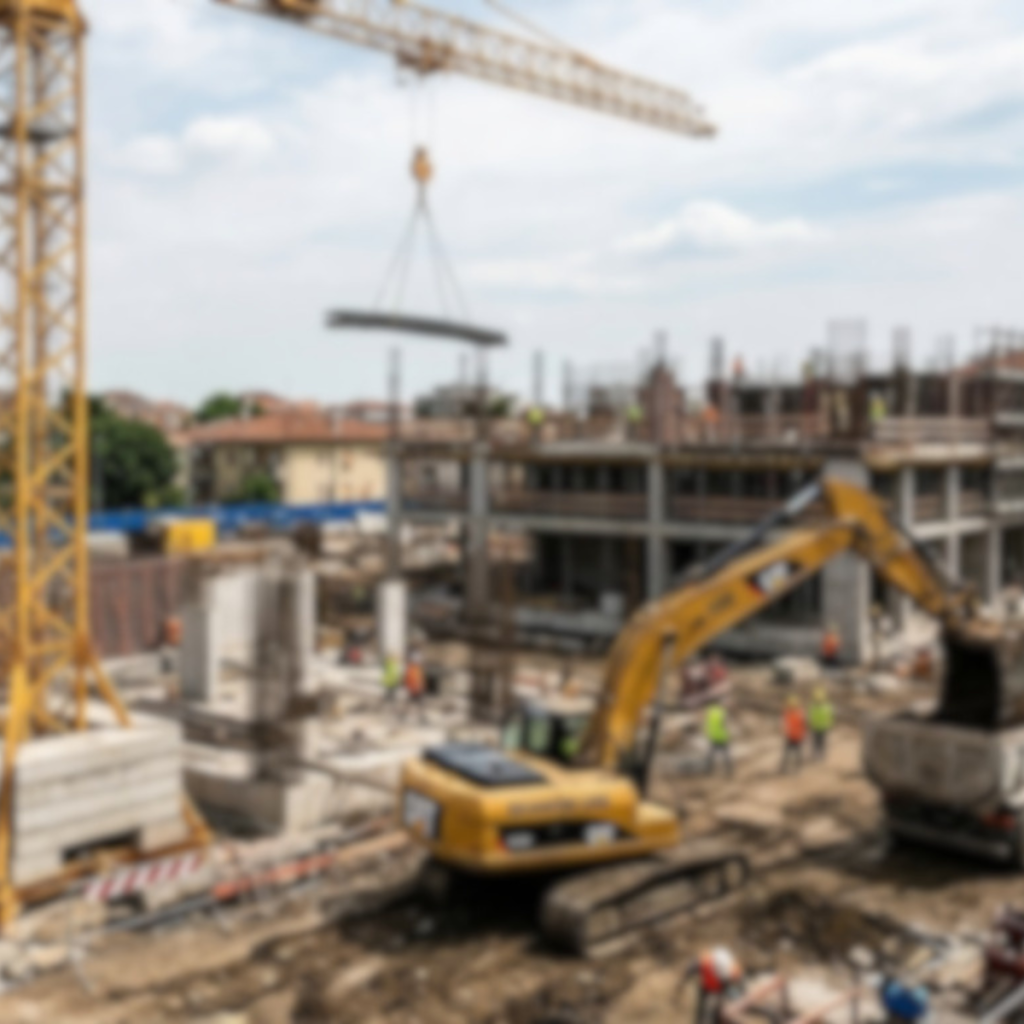
The continuous streak of workplace fatalities in Italy shows no signs of abating, highlighting with tragic regularity the urgent need for safety and technological prevention. The latest tragic incident in Faenza (Ravenna) underscores once again that the risks associated with the handling and operation of industrial equipment remain an absolute priority to address.
THE WORKPLACE ACCIDENT IN FAENZA
Workplace Tragedy in Faenza. Late yesterday morning, a worker fell victim to a terrible accident that left him no chance of survival. According to initial reports, the 43-year-old worker, who was working at a construction site on Via Pana, was crushed by a falling load from a crane.
The man, hit full-on, died instantly. Another worker, struck less severely, was injured and taken to the hospital.
THE CASUALTY TOLL AND THE MOST AFFECTED SECTORS
Unfortunately, this is not an isolated incident, but part of a complex national picture marked by frequent severe injuries caused by crushing accidents involving work machinery, forklifts, and automated systems.
This type of incident confirms just how critical the construction sector and industries related to logistics and material handling remain. Data shows that the failure or improper functioning of machinery safety systems, the lack or inappropriate bypassing of protective barriers, and operational anomalies continue to turn workplaces and warehouses into environments of severe danger.
ECM’S TECHNICAL SUPPORT
In this scenario of heightened criticality, Ente Certificazione Macchine (ECM) stands as a qualified partner to support companies in achieving and maintaining full compliance for machinery and industrial plants. The primary goal is to actively contribute to reducing operational risks and safeguarding workers’ lives.
The prevention of mechanical and technological injuries requires targeted areas of intervention:
- Inspections and Maintenance: Periodic field checks to identify and prevent wear, sudden breakdowns, or unauthorized tampering with critical components.
- Machinery Certification: Assessment of conformity with the essential health and safety requirements laid down by the Machinery Directive and the relevant European and national standards.
- Testing and Practical Trials: Execution of instrumental analyses and functional checks to test the actual reliability of protective devices and safety stop systems.