


The Role of Certifications in the Competitiveness of the Battery Supply Chain
7 April 2026
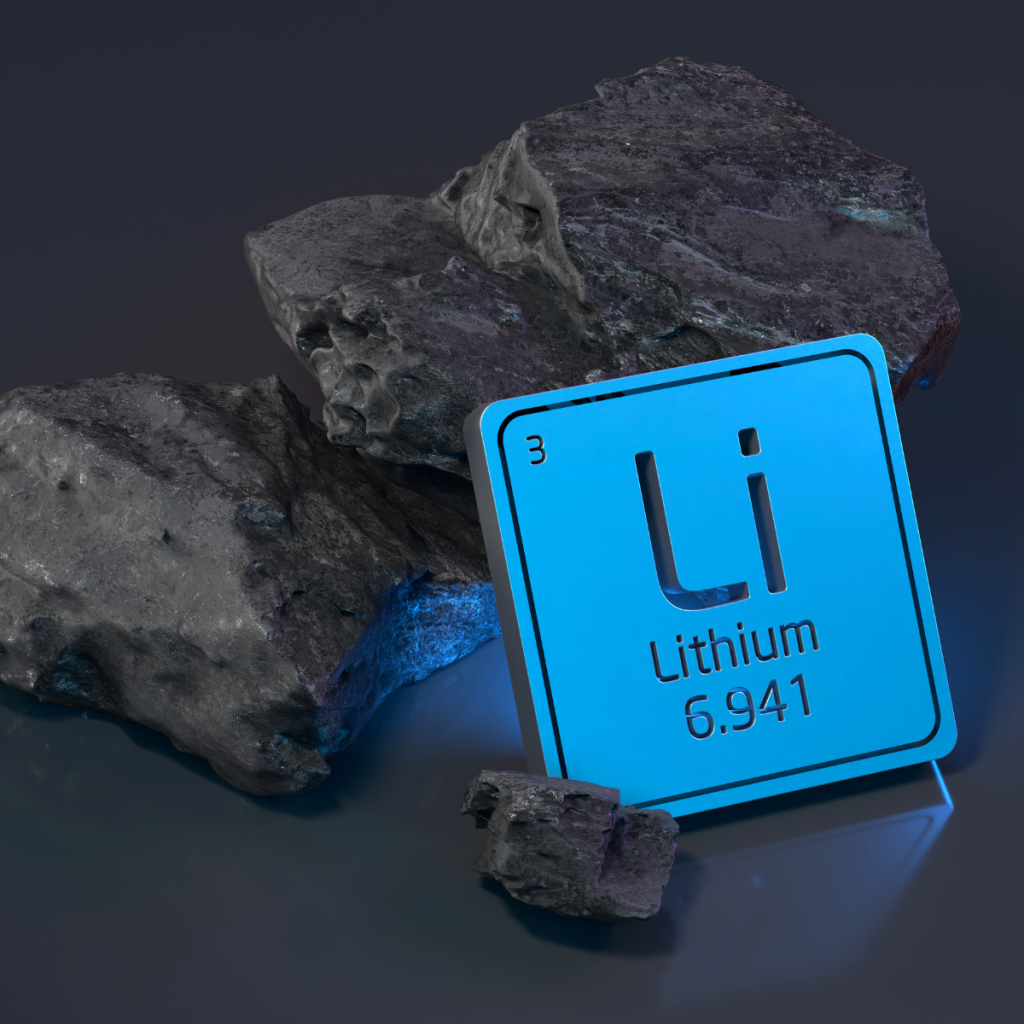
Lithium-ion (Li-ion) batteries are the driving force behind the technological revolution, powering devices, electric vehicles, and storage systems. However, their ubiquity has raised crucial concerns regarding safety and the need for rigorous regulation, especially considering the risk of thermal runaway and fire. The supply chain is inherently global, with China at the center of production, making stringent control on an international scale essential.
THE CHALLENGE OF TECHNICAL SAFETY
Due to their chemical nature, lithium batteries must operate within well-defined parameters. A manufacturing defect, physical damage, or improper handling (such as overcharging or overheating) can trigger a chain reaction leading to the uncontrolled release of energy, smoke, and fire. To mitigate these risks, safety is not an option but a fundamental design requirement, which includes sophisticated Battery Management Systems (BMS), flame-retardant materials, and robust designs that isolate individual cells.
ECM: OUR ADVANTAGE IN CHINA FOR QUALITY CONTROL
The vast majority of Li-ion battery production and their critical components takes place in Asia, with China holding a preeminent role.
At ECM, we have a branch in China (Ente Cerma Certification Shanghai) that provides us with a decisive advantage.
We are able to:
- Monitor production processes in Chinese factories in real time;
- Directly verify that partners comply not only with Chinese certifications (such as GB/T) but also with the stricter standards required by EU and USA markets (UN 38.3, UL, IEC);
- Guarantee preventive compliance with the new EU Regulation, ensuring that imported products meet safety and sustainability requirements before leaving Asia.
Through this extensive oversight, we transform geographical distance into a strength, ensuring that the batteries reaching our customers are not only high-performing but, above all, certified and safe. In this industry, safety admits no compromises.